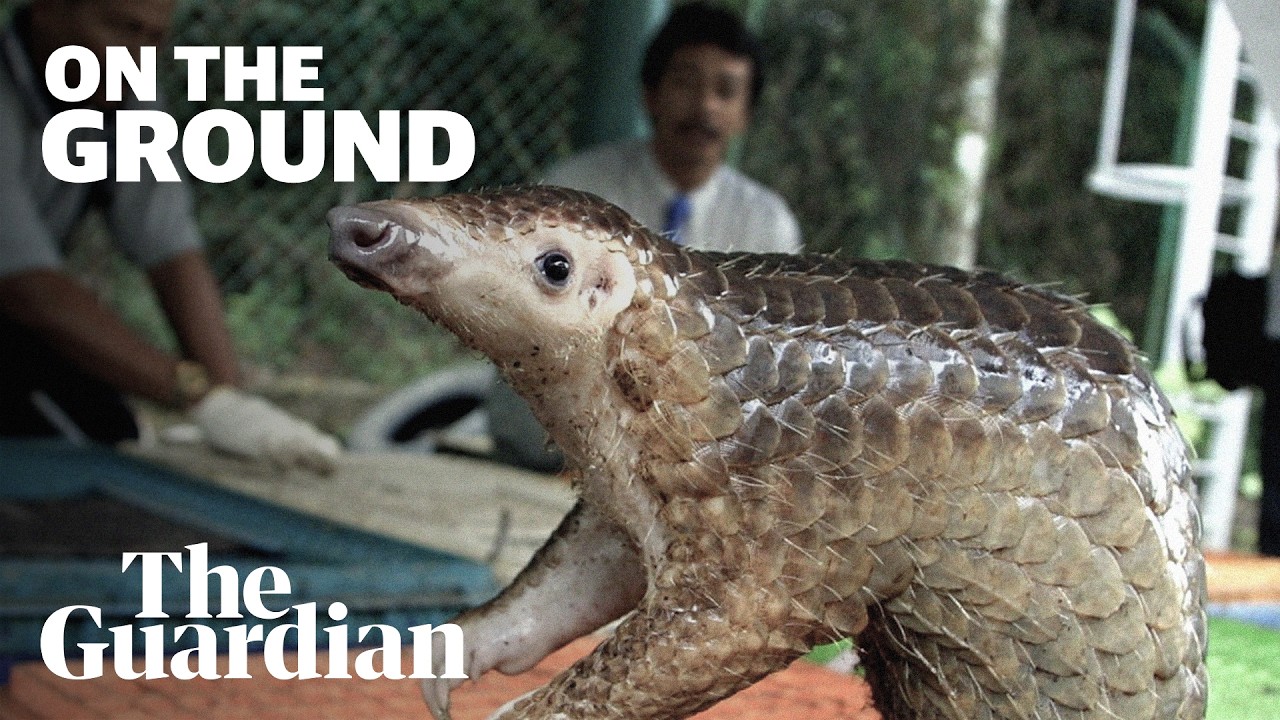
Wildlife trafficking networks operate openly in Laos as Chinese tourism surges along new rail corridor
The Guardian's undercover investigation documents illegal sales of pangolin scales, rhino horn, and elephant ivory at shops and restaurants across Laos, coinciding with increased Chinese tourism facilitated by a new high-speed rail line that has brought millions of visitors to the country. According to the report, the investigation identifies criminal networks profiting from the wildlife trade by working with Chinese activists to access secret vendors.
📹 Source Video
This story is based on reporting from a trusted journalist source. The Guardian's undercover investigation provides direct documentary evidence of the trafficking operations, with 2 mainstream media articles corroborating the general findings.
✓ Verified
- ✓The Guardian conducted undercover investigation into wildlife trafficking in Laos. (The Guardian)
- ✓Pangolin scales, rhino horn, and elephant ivory are being sold at shops and restaurants in Laos. (The Guardian)
- ✓A new high-speed rail line has brought millions of visitors to Laos. (The Guardian)
- ✓Chinese tourism is occurring in Laos. (The Guardian)
~ Interpretation
- ~The illegal wildlife trade is booming alongside Chinese tourism growth. (The Guardian characterization)
- ~Criminal networks are profiting from the surge in visitors facilitated by the rail line. (The Guardian analysis)
- ~The investigation reveals coordination between criminal networks. (The Guardian's reporting framing)
▸▾Why this is here
Learn about our confidence system → · What qualifies a story →
Stay with this story
Response links are not endorsements. They are restrained ways to learn more, track updates, and ask better questions.
Eligibility: Unknown story types default to learning and tracking only. View taxonomy →
Did this feel useful, agenda-driven, or unclear?
Get stories like this every morning.
Free daily briefing, 5 minutes, no spin.
Free. No spam. Unsubscribe anytime.