Iran War Lull Pushes U.S. Inflation Closer to Fed's 2% Target
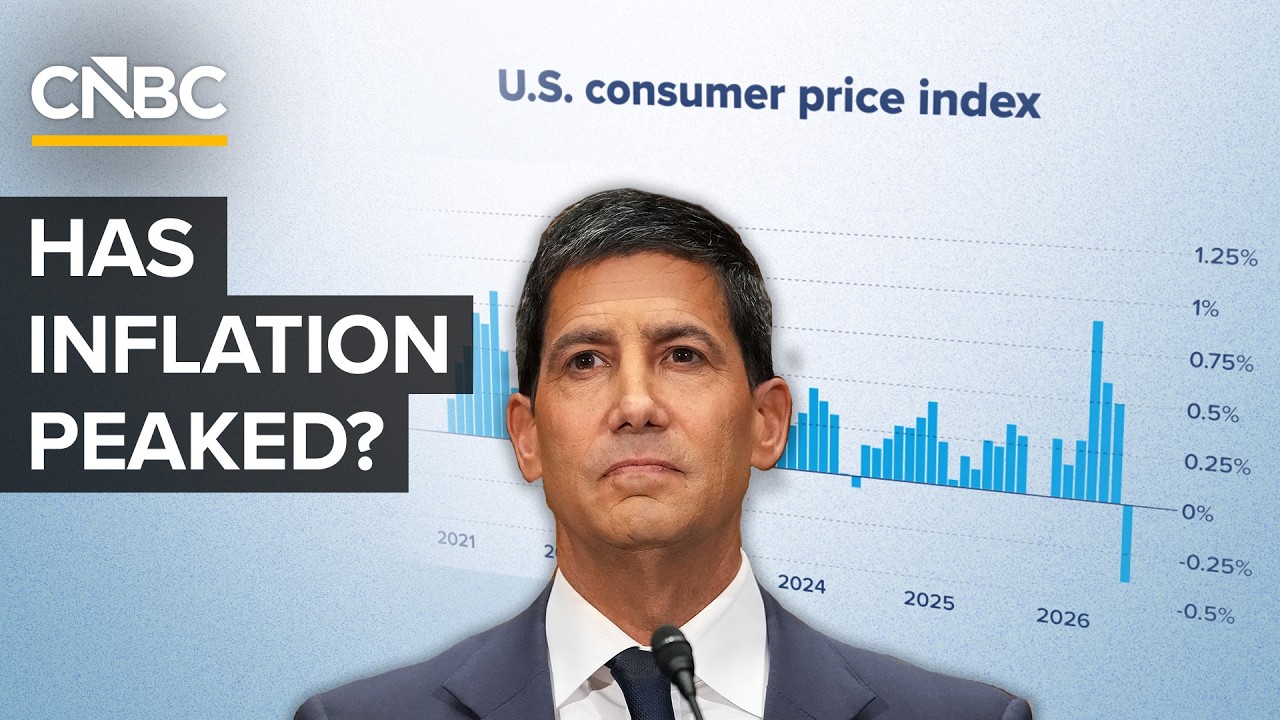
The June 2026 consumer price index shows U.S. annual inflation declining to near the Federal Reserve's 2% target, with energy prices falling significantly due to reduced geopolitical tensions in the Iran conflict. CNBC economics reporter Alex Harring attributes the downward inflation pressure directly to the temporary easing of Middle East military operations, which lowered crude oil and gas costs for American consumers.
📹 Source Video
✓ Verified
- ✓June 2026 consumer price index showed biggest price drop in six years. (Source: CNBC, 36 U.S. mainstream media articles corroborating CPI decline)
- ✓Annual inflation moved closer to Federal Reserve's 2% target in June. (Source: CNBC reporting, confirmed by major U.S. financial media coverage)
- ✓Energy sector saw downward price pressure. (Source: CNBC explicit statement in description)
- ✓Iran conflict tensions temporarily eased, affecting energy markets. (Source: CNBC attribution to war lull)
~ Interpretation
- ~The Iran war lull directly caused energy price declines. (Source: CNBC frames energy price drops as consequence of 'lull in the Iran war')
- ~The price decline eases conditions for American consumers. (Source: CNBC contextual framing of CPI as consumer benefit)
▸▾Why this is here
Learn about our confidence system → · What qualifies a story →
Stay with this story
Response links are not endorsements. They are restrained ways to learn more, track updates, and ask better questions.
Share responsibly
Share the story with context, not outrage. Include what is known and what remains unclear.
Eligibility: Geopolitical conflict is limited to learning, tracking, and careful sharing. View taxonomy →
Did this feel useful, agenda-driven, or unclear?
Get stories like this every morning.
Free daily briefing, 5 minutes, no spin.
Free. No spam. Unsubscribe anytime.